

Admission to a course is only the first step. The initial application, the issue of a TIE, an extension during the course and any later change of status each follow different rules and deadlines. Similar-looking procedures are not necessarily interchangeable.
This article sets out the stages that most often cause confusion. The appropriate route must still be assessed against the type of programme, the applicant’s current immigration position, the place of application and the documents available.
Initial application and TIE: identify the correct route first
As a rule, the student needs an authorization for a long-term stay for studies (autorización de estancia de larga duración por estudios). Where the application is made from outside Spain, a long-stay student visa (visado de estancia de larga duración por estudios) is also involved. The authorization and the visa are not the same document.
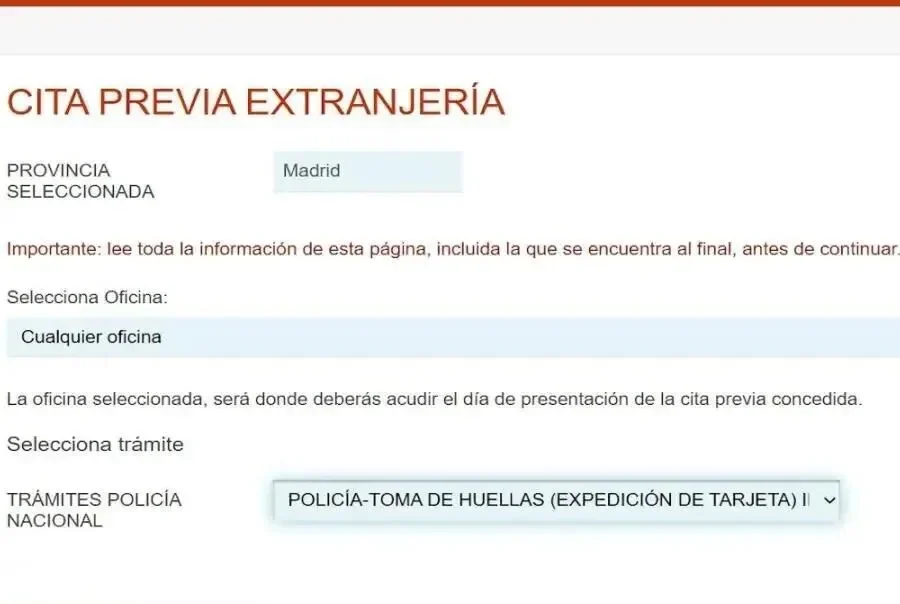
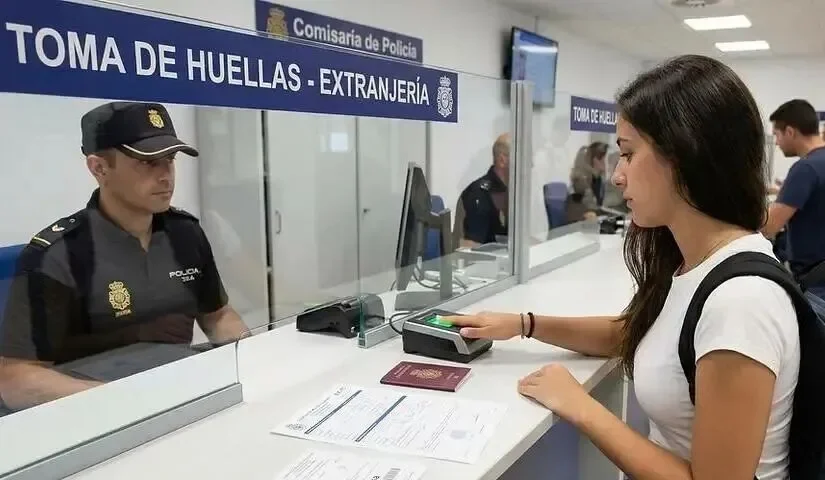
A person who enters Spain with that visa and has been authorized to stay for more than 6 months must apply for a foreigner identity card (TIE) within 1 month of entry. If the authorization was applied for and granted directly in Spain, the 1-month period normally runs from notification of the favourable decision, not from an earlier entry date.

It is sensible to book the appointment early and prepare the documents required in the individual case, including the passport and the visa or favourable decision. Filing an online application does not mean that the TIE process has been completed.

Under the new Regulations, an authorization may cover the full programme
The Immigration Regulations approved by Royal Decree 1155/2024, applicable from 20 May 2025, changed the study-stay regime. For higher education and other programmes expressly covered by the rules, the authorization may match the full official duration of the course and is not necessarily limited to 1 year.
For example:
- a 4-year undergraduate degree may lead to an authorization lasting up to 4 years;
- a 2-year master’s degree may be covered for 2 years;
- a 3-year doctoral programme may be covered for 3 years.
Where an authorization lasts longer than 1 year, enrolment normally has to be evidenced at the beginning of each academic year. For other categories of study, the general maximum remains 1 year. The length stated in an admission letter does not therefore determine the authorization period on its own.
As a general rule, the authorized period may run from 1 month before the course begins until 15 days after it ends. The exact dates in the decision should always be checked.

Moving from a language course to higher education is not usually a simple extension
Language studies and higher education fall into different legal categories. Moving from a language course to an undergraduate degree, master’s degree or other higher-education programme should not automatically be treated as a prórroga, or extension, of the same authorization. Depending on the circumstances, a new initial authorization filed from within Spain may need to be considered.
An application from Spain linked to higher education will normally need to meet two timing conditions at the same time:
- it must be filed at least 2 months before the new programme begins;
- it must also be filed at least 2 months before the applicant’s current lawful status expires.
If the current status expires on 31 August and the new course begins on 1 October, the application should be filed no later than 30 June. That date preserves the margin linked to the current expiry; the timetable should be checked without waiting for the last possible day.

Continuing in the same category: the procedure is a prórroga
Where the student continues within the same legal category and meets the requirements concerning academic progress, financial means, health insurance and supporting documents, a prórroga may be available. The general filing window covers:
- the 2 months before the authorization expires;
- and the 3 months after its expiry.
The fact that a late filing may be permitted does not make delay advisable. The closer the filing is to, or beyond, the expiry date, the more carefully lawful status, document validity and any planned travel need to be coordinated.
Changing status after studies depends on the course completed
Whether a student can move to a work authorization or another residence status depends on the category of study completed and the target authorization. The mechanism in Article 190 of the Regulations is limited to the study or training categories listed there; a language course is not automatically covered.
Where the relevant category and other requirements are met, the application can generally be made during the 2 months before or the 3 months after the study stay expires. An extension, a new initial authorization and a modification of status are distinct procedures and should not be treated as interchangeable merely because their filing windows may look similar.
Build the timeline before the matter becomes urgent
It is useful to place the current expiry date, the start of the new programme, the issue of admission or enrolment documents, the available TIE appointment and any intended travel on one timeline. Identifying the correct procedure first and then working backwards from its deadline reduces the risk of having to react when too little time remains.
← Back to Blog